
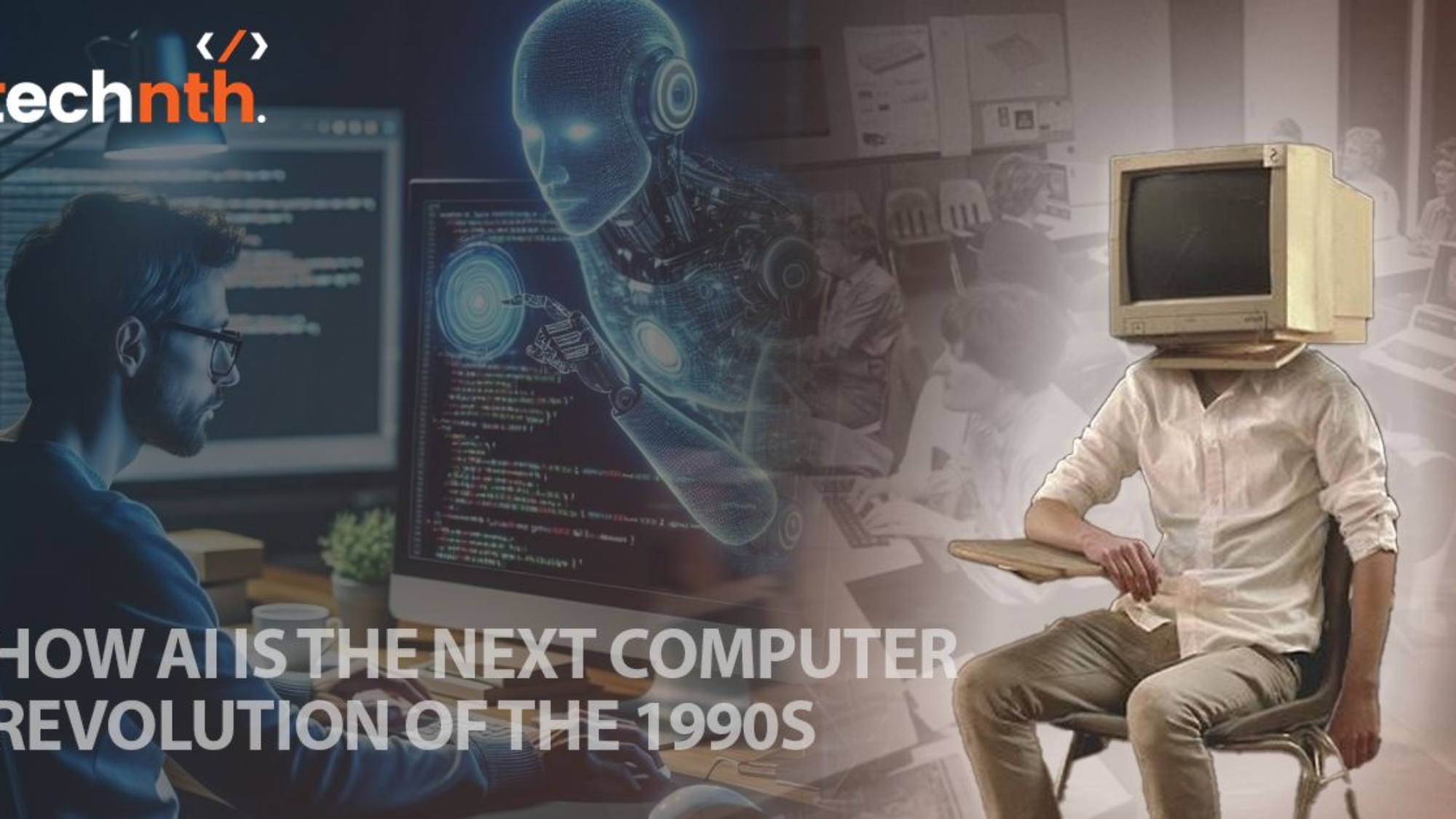
Advent of AI next computer revolution. AI is reshaping the world like computers once did. The 1990s brought digital transformation everywhere. Today AI leads a new revolution. Machines now think learn and evolve on their own. The tech age is being reborn again.
AI marks the start of the next computer revolution. It changes how people live and work daily. The next computer revolution runs on smart learning. AI systems power ideas once seen as impossible. Every sector feels the pulse of this change. The next computer revolution builds smarter tools fast. Machines now replace slow manual processes easily. The next revolution connects data and insight. AI makes this revolution stronger every passing day. The next computer revolution has only just begun.
From Computers to AI: Next Computer Revolution
Back in the 1990s computers changed work. They made data fast and simple. People learned digital tools daily. That shift defined progress for decades. So AI is indeed start of the next computer revolution.
AI now repeats the same pattern. It learns and adapts with logic. This change is not just digital but smart. The next computer revolution mirrors that great shift. It redefines how humans use technology daily. The next computer revolution is built on AI. Machines now think instead of just calculate. The next computer revolution drives smart automation forward. It gives rise to self-learning digital systems. The next computer revolution shapes modern creativity too. AI tools now boost speed and precision together. The next computer revolution links humans with machines. It opens endless doors for future innovation.
How is AI the Next Computer Revolution?
AI is the next computer revolution in motion. It changes how machines process human tasks. Learning replaces coding in this new era. Systems now evolve without full human input. The next revolution runs on data power. AI connects devices through smart automation flow. It transforms industries with unmatched precision speed. The next computer revolution reshapes daily human life. AI drives creativity through deep logical insight. This revolution defines the future of all tech.
AI Is Revolutionizing Technology
The 1990s were about data access. AI today is about data use. It turns numbers into smart action. Machines now sense what humans miss. AI is revolutionizing technology in real time. It shapes industries like computers once did. The scale is vast and growing daily. AI is going to be the next computer revolution.
Overcoming Fear of New Technology
In the 1990s people feared computers. They thought jobs would vanish soon. But computers created new careers instead. AI faces the same fear today. Yet it builds even more opportunities. Data science and automation are booming now.
The Speed and Power of AI
Computers gave us speed once. AI gives us logic and accuracy. It is the next computer revolution. Tasks now finish in seconds not hours. AI tools create reports or trends fast. This mirrors how spreadsheets changed offices. The link between both eras is clear.
Business Growth Through AI
Companies once raced to buy computers. Now they race to use AI tools. The same spirit drives both times. AI reduces costs and improves precision. It helps firms predict results and act smart. The next big winners adapt early.
From Hardware to Smart Models
In the 1990s hardware ruled. Today AI models rule the game as it the next computer revolution. Neural networks are the new microchips. Each model grows stronger with more data. The loop of progress keeps spinning. Every upgrade adds fresh intelligence.
AI Adoption Mirrors the 1990s Boom
Once few could afford computers. Then prices dropped and demand rose fast. The same pattern happens with AI. Small firms now use free AI tools. It spreads fast like PCs once did. The reach is now truly global.
From the Internet Age to the Intelligent Age
Computers gave us internet growth. AI gives us intelligent automation. The 1990s made data global. AI now makes it useful and smart. Machines act with purpose not just code. Systems link and learn through data flow.
AI Innovation Feels Like Early Web Days
AI feels like early web design. Everyone tests and explores limits daily. Models improve with every new version. This mirrors the rise of the internet. Both share curiosity and fast growth.
AI in Modern Industries
AI changes how sectors work daily as it is the next computer revolution.
-
Marketing uses predictive analytics.
-
Healthcare uses AI for diagnosis.
-
Finance uses it for fraud checks.
-
Education uses it for smart learning.
The 1990s gave email and databases. AI gives those same tools new life.
Leaders of Each Revolution, Next Computer Revolution
The 1990s had Microsoft and Apple. Today we have OpenAI and DeepMind. Both eras had early movers leading change. Those who mastered computers led then. Those who master AI will lead now.
Evolving Skills for the New Era
People once learned typing and browsing. Now they learn AI prompting and training. The skill shift happens again. Knowledge workers must adapt early again. AI literacy will soon be as vital as typing.
AI Fuels Startup Growth, Reflecting Next Computer Revolution
It sparks new startups every day. The 1990s created Silicon Valley icons. AI now breeds a new wave of builders. APIs and tools lower entry barriers. Creativity drives success more than capital now.
Regulation and Responsibility
Governments again chase fast innovation. The 1990s had data laws. AI brings ethics and bias debates. Regulation follows invention just like before. The pattern is timeless and repeating.
AI in Education
AI is the new calculator today. Schools once feared digital devices. Now they discuss AI in class. That same fear will fade soon. Adoption will shape future learning styles as AI is the next computer revolution.
AI in Everyday Life
Homes mirror 1990s trends again. Then people bought PCs for mail and games. Now they use smart assistants daily. AI fits in phones and home devices. The feeling of daily discovery returns again as AI marks the new next computer revolution.
Business Transformation Through AI
In the 1990s software drove growth. Today AI models drive it forward. Firms that adopt fast lead markets now. It decides who wins and who fades. AI is revolutionizing technology at breakneck speed and we should be prepared for it.
AI and Human Creativity
It changes how humans create. It helps make art design and music. The feeling is like early digital art. People test boundaries with no limits known. Every project brings new discovery.
The Next Decade of Change
The next decade will reflect the 1990s as AI is the next computer revolution. Those who learn AI early will lead. AI literacy is now a key skill. The world enters its smart cycle.
Humans and Machines Together
AI does not replace humans. It empowers them deeply as it is the next computer revolution. Computers made people faster. AI now makes them wiser. Together they form a complete digital age.
Conclusion
AI is the new computer revolution. It follows the same rise and impact. Shapes work life and industry again. It turns data into thought and logic. Just like computers made people digital AI makes them intelligent. The next big leap has begun.
FAQs
What is the next computer revolution?
Why is AI compared to the 1990s computer boom?
AI is the next computer revolution. Both transformed the world quickly. Each changed how we live and work.
How does AI improve daily life?
AI automates tasks and saves time. It makes every process smarter.
Will AI replace computers?
No. AI builds on computer systems. It adds logic and learning.
What jobs will AI create?
AI opens new fields like data science and automation.
Is AI expensive for small firms?
No. Many tools are now free and easy.
How can companies benefit from AI?
AI boosts accuracy and predicts outcomes fast.
What makes AI the next revolution?
It changes how humans and machines think together.

Add a Comment